Address
Hopkins Village
Work Hours
Monday to Friday: 7AM - 7PM
Weekend: 10AM - 5PM
Address
Hopkins Village
Work Hours
Monday to Friday: 7AM - 7PM
Weekend: 10AM - 5PM


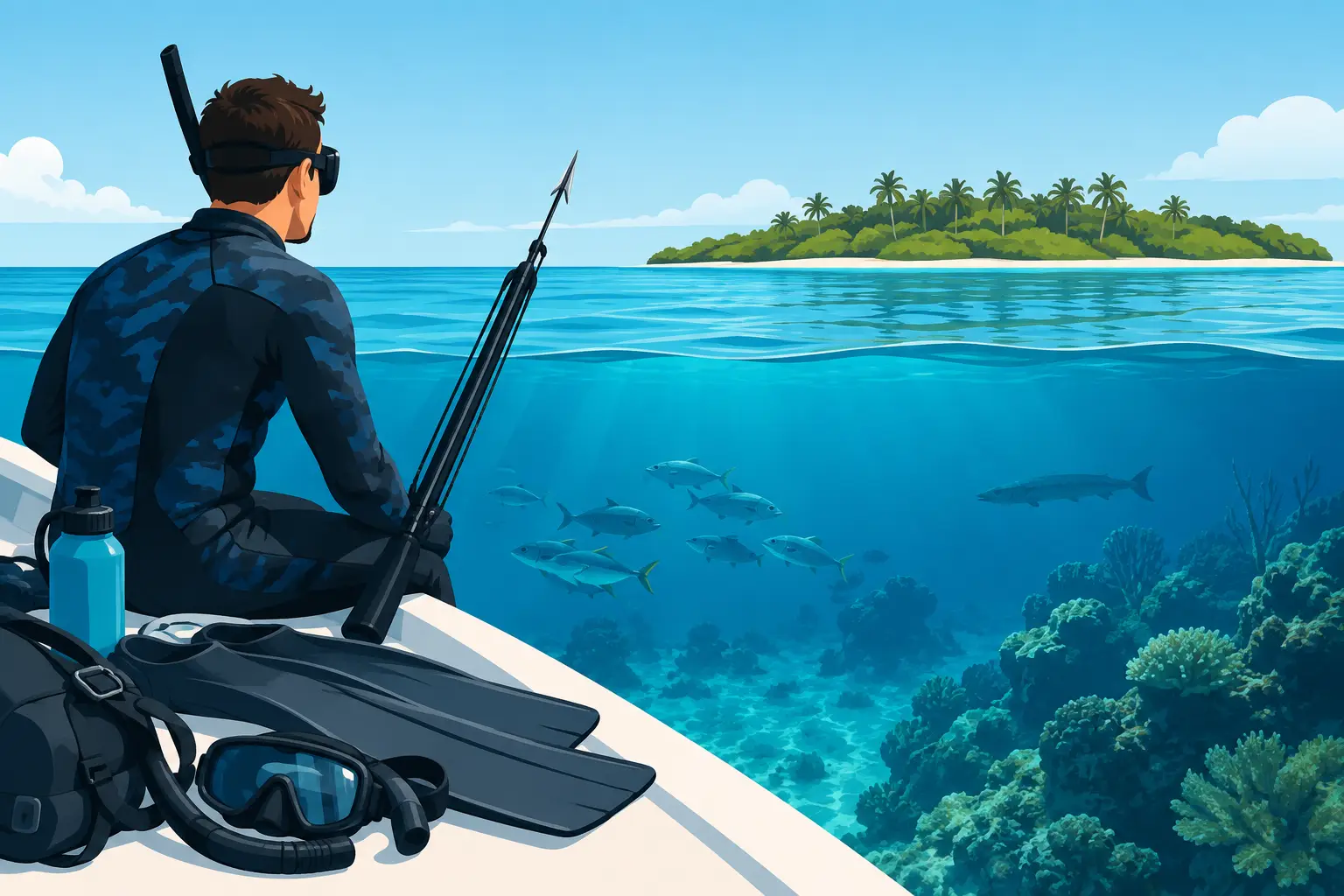
Learn how to prepare for spearfishing Belize with the right gear, reef awareness, local rules, and a trusted guide for a safe, memorable day at sea today.
The first clear blue-water moment over the Belize Barrier Reef can make you want to slip in immediately. But knowing how to prepare for spearfishing Belize is what turns that excitement into a safe, respectful, and genuinely unforgettable day on the water. This is not a sport to rush. The best experiences come from being comfortable in the water, understanding the reef, and fishing with people who know these waters well.
Spearfishing here is about far more than bringing home a catch. It is the quiet of a controlled breath, the flash of a fish at the edge of visibility, and the satisfaction of enjoying a fresh meal after an honest day at sea. Prepare well, and you will have more confidence underwater while helping protect the reef that makes Belize so special.
Spearfishing is active, skill-based fishing. You will be swimming, diving, floating at the surface, managing equipment, and making quick but careful decisions in a living marine environment. It is a great fit for adventurous travelers who are already comfortable snorkeling and who want a more hands-on connection to the sea.
If you are new to freediving, be honest about your comfort level before your trip. You do not need to be a record-setting diver to enjoy a guided day, but you should be able to swim confidently, use a mask and snorkel calmly, and remain relaxed in open water. A good guide can choose conditions and locations that match your experience, but no guide can replace a swimmer’s own awareness.
Your goal should not be to shoot the biggest fish you see. A successful day may mean learning proper technique, spotting reef life you would have missed from the boat, taking one appropriate fish for a meal, or simply becoming more comfortable in the water. That mindset makes the day safer and more rewarding for everyone.
Start by sharing your experience level with your operator. Let them know whether you have spearfished before, how often you snorkel or freedive, and whether you have any medical conditions, ear-equalizing difficulties, recent injuries, or concerns about open water. This helps your captain and guide plan the right outing rather than treating every guest the same.
A few weeks before travel, spend time in the pool or ocean if you can. Practice relaxed surface swimming with a mask, snorkel, and fins. Work on clearing your mask and snorkel without stress. If you have access to a qualified freediving instructor, basic training in breathing, equalization, safe descents, and buddy procedures is one of the best investments you can make.
Avoid the temptation to practice breath-holding alone. Never freedive or spearfish without a capable buddy watching you at the surface. Shallow-water blackout can happen without dramatic warning, even to people who feel fit and experienced. Your buddy system is not a formality. It is a core piece of the day.
The night before your charter, get real sleep, drink water steadily, and go easy on alcohol. Dehydration, fatigue, hangovers, and skipped meals can make you feel uncomfortable in the water far sooner than expected. Eat a light, satisfying breakfast, then bring any personal snacks or medications your operator recommends.
On a professionally guided outing, core fishing and safety equipment may be supplied, but confirm what is included before departure. If you bring your own gear, inspect it before leaving home. A leaking mask, cracked fin strap, dull spear tip, or poorly fitted weight belt has no place on a day that should feel fun and focused.
For most guests, personal comfort items matter just as much as specialized equipment. Pack reef-safe sun protection, a long-sleeve sun shirt, sunglasses with a secure strap, a towel, dry clothes, and plenty of water. The Belizean sun is strong, and reflected light off the water can sneak up on you.
If you own a mask, bringing one that fits your face well can make a big difference. Your mask should seal comfortably without being painfully tight. Fins should be snug enough not to slip but not so tight that they cause cramping. A rash guard or wetsuit top can help with sun exposure, minor scrapes, and warmth during longer sessions, especially when clouds or wind move in.
Do not pack or use a speargun casually. It is fishing equipment, not a toy. Your guide should explain local expectations and safe handling before anyone enters the water. The spear stays pointed away from people and boats, is loaded only when you are in position to fish, and is never fired unless you clearly identify the fish and what lies beyond it.
Belize’s reef is the reason visitors come from around the world, and its health depends on careful choices from every person in the water. Spearfishing regulations can involve permits, protected areas, seasonal closures, species limits, size limits, and restrictions on fishing methods. These details can change, so verify current requirements with a licensed local operator before your outing rather than relying on an old social media post or a rule from another destination.
Some of the most beautiful places you will see may be no-take areas. That does not make them less valuable. In fact, protected zones often offer incredible wildlife viewing and remind us why responsible fishing matters. A local guide can help distinguish where fishing is allowed, where it is not, and which species should be left alone.
Selectivity is the heart of responsible spearfishing. Take only what is legal, suitable, and likely to be used. Avoid undersized fish, uncertain identification, and shots that could damage coral or put another diver at risk. If a fish disappears into coral, let it go rather than forcing a situation that harms the reef.
This is also why a catch-and-cook experience feels so different from fishing just for a photo. When a carefully chosen catch becomes lunch on a quiet beach, the connection between sea, skill, food, and local tradition becomes real. Keep what you can enjoy and leave the rest of the reef thriving.
There is no prize for diving deeper than your training or swimming farther than your comfort allows. Conditions can change quickly around Belize’s islands and reef edges. Wind, current, visibility, boat traffic, and surface chop all affect the plan.
Listen closely to the boat briefing. You should know how the captain wants divers to enter and exit, where the boat will drift or anchor, how to signal for help, and what to do if you become separated from the group. Use a highly visible float and flag when required or recommended, and keep your catch secured well away from your body.
Stay close enough to your buddy that you can actively watch each other. Alternate dives rather than both diving at once: one person dives while the other stays on the surface, watches the diver, and remains ready to assist. That simple rhythm protects both people and makes the day more relaxed.
Be especially cautious after landing a fish. Excitement can make people rush, but that is when situational awareness matters most. Secure the fish as directed, scan the area, communicate with your guide, and never let the pursuit of a second shot pull you away from the group or into unsafe current.
A private or small-group trip gives you room to ask questions, move at a pace that feels right, and focus on the kind of experience you actually want. Maybe that means spending more time practicing in shallow water. Maybe it means pairing a few fishing opportunities with snorkeling over colorful coral gardens. For some guests, the best moment is not the shot at all, but watching a guide prepare fresh seafood after a morning on the water.
Local knowledge matters because the sea is never exactly the same twice. Experienced Belizean guides read weather, water movement, reef structure, and seasonal patterns in ways a visitor cannot learn from a packing list. At Sea Ready Adventures, that local perspective is part of the welcome: safe, reliable, professional guidance with the kind of personal attention that makes you feel less like a tourist and more like part of the family.
Come ready to learn, respect the reef, and enjoy the full experience rather than chasing a checklist. The fish will not always cooperate, and conditions may call for a different plan than you imagined. But a prepared guest, a trusted guide, and a healthy Belizean reef can still give you the story you came for – one you will remember long after the salt has dried.