Address
Hopkins Village
Work Hours
Monday to Friday: 7AM - 7PM
Weekend: 10AM - 5PM
Address
Hopkins Village
Work Hours
Monday to Friday: 7AM - 7PM
Weekend: 10AM - 5PM


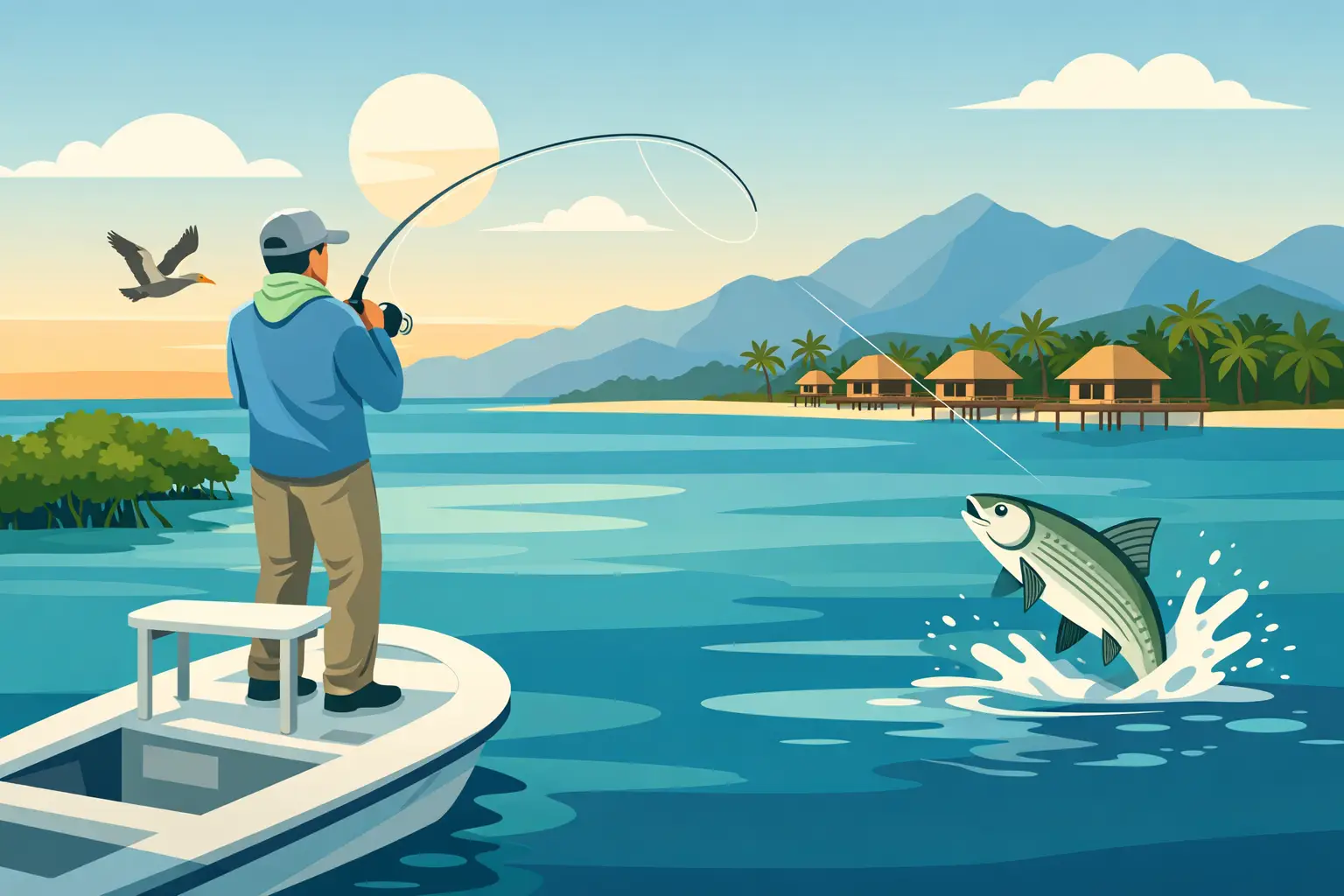
Planning a fly fishing trip Hopkins Belize visitors love? Learn the seasons, species, flats, gear, and guide tips for a better day on the water.
The first shot usually comes fast. A tail flickers over pale sand, your guide spots it before you do, and suddenly your fly fishing trip Hopkins Belize style is not a daydream anymore – it is a live cast to a moving fish in clear, shallow water.
That is the appeal here. You are not squeezed onto a crowded boat or rushed through a generic fishing stop. The experience is personal, visual, and full of those small moments that make saltwater fly fishing addictive: quiet drifts across the flats, quick calls from the platform, and the kind of water where every good presentation feels earned.
Hopkins gives anglers something many destinations struggle to balance – easy access, local knowledge, and real variety. You can spend a morning stalking permit on nearby flats, look for bonefish in skinny water, or work mangrove edges and channels depending on conditions. That flexibility matters because fly fishing is never just about where you are. It is about wind, tide, light, and how well the day is read.
For travelers, that also makes Hopkins a smart base. You get a laid-back coastal village instead of a polished resort bubble, and the day still feels premium when you head out with an experienced local captain and guide. The atmosphere is warm and relaxed, but the fishing is serious. That mix is a big reason anglers remember this stretch of Belize.
The Belize Barrier Reef system adds even more range. On some days, protected areas make it easier to find manageable water when open flats are windy. On other days, the fish are exactly where you hoped they would be – pushing across turtle grass, cruising sandy edges, or appearing with almost no warning at all.
Most anglers asking about a fly fishing trip Hopkins Belize are thinking about the classic saltwater challenge: permit. Fair enough. Permit have a way of taking over the imagination. They are selective, spooky, and unforgettable when everything finally comes together.
But they are not the whole story. Bonefish are also part of the draw, especially for anglers who want more shots and more rhythm to the day. A good bonefish flat can be a great confidence builder if you are newer to saltwater fly fishing, though that does not mean it is easy. Good presentation still matters, and fish in clear water punish sloppy casts.
Tarpon may enter the conversation depending on season, weather, and where your guide wants to look. Juvenile tarpon can be a thrilling option for anglers who want explosive eats and aerial chaos. The exact mix of species on any given day depends on timing and conditions, which is why the best trips are built around opportunity rather than a rigid script.
Belize can produce fish year-round, but not every month offers the same style of day. Wind is one of the biggest variables. If you are dreaming of long, accurate casts to cruising fish on calm flats, lighter wind days are your friend. If you are a strong caster, you can still fish effectively in tougher conditions, but beginners usually enjoy the day a lot more when the weather cooperates.
Tides matter just as much. Moving water shapes where fish feed, travel, and show themselves. A good local guide does not just take you to a nice-looking flat. He reads tide stage, bottom type, current, and light angles to decide where your best chances are. That is where local experience stops being a nice extra and starts becoming the whole point.
If your vacation allows some flexibility, build it in. A half-day can be fun, but a full day gives your guide more room to follow conditions and adjust. Sometimes the best window happens later than expected. Sometimes it happens right away. More time on the water usually means more chances to let the day develop.
No, but honesty helps. If you are brand new to fly fishing, say so. If you can cast but have never fished saltwater flats, say that too. A good guide can adapt the day, coach your setup, and help you focus on realistic targets instead of pretending every guest is tournament-ready.
That said, saltwater flats fishing rewards preparation. You do not need a perfect double haul, but you do need to deliver a fly quickly, often with one or two false casts, and place it where the fish can see it without spooking. If you are visiting Belize specifically to chase permit, some practice before the trip is worth it. Even a few sessions improving accuracy at 30 to 50 feet can make a real difference.
The trade-off is simple. Beginners can absolutely have a memorable day, especially with bonefish or a mixed-species approach. Anglers focused only on permit should come ready for a challenge. That is not bad news – it is part of what makes success feel so good.
A good fly fishing day here is active, attentive, and surprisingly intimate. You are watching for movement, listening for direction, adjusting line at your feet, and learning to trust what your guide sees. He may call out a fish you cannot see yet, then suddenly it appears and the world narrows to angle, distance, and timing.
There are quiet stretches too. That is part of the rhythm. Flats fishing is visual hunting as much as fishing, and some of the satisfaction comes from being fully tuned in to the environment – birds working bait, nervous water, changing light over the bottom, the feel of the skiff sliding into position.
Because trips are often private or small-format, the experience feels less like an excursion and more like a real day on the water with someone who knows these areas well. That difference matters. You ask questions, learn more, and fish at a pace that fits your group instead of a crowd.
If you are bringing your own gear, most anglers target this fishery with 8- to 10-weight setups depending on species and conditions. Permit often call for a 9- or 10-weight, while bonefish are commonly handled with lighter saltwater-ready rods. Tropical floating lines, solid leaders, and flies matched to local forage all matter, but exact choices should follow the guide’s recommendation.
Clothing is easy to underestimate. Lightweight long sleeves, sun gloves, a buff, polarized sunglasses, and a good hat are not just comfort items. They help you stay sharp longer, and seeing fish clearly is half the game. Darker lens choices can help in strong sun, while amber or copper tones are often useful in variable light.
Footwear depends on the plan. Some days are skiff-heavy. Others may involve getting out to wade certain spots. Ask in advance rather than assuming. The less guesswork you leave for trip morning, the smoother everything feels.
A lot of visitors think a fly fishing trip is mostly about the boat and the flat. In reality, the guide is the difference between simply being out there and actually understanding the fishery. Local guides know how weather shifts across the area, where visibility holds on difficult mornings, and which flats fish best on certain tides.
They also know when to pivot. If permit are not showing where expected, a strong guide does not force the day into disappointment. He reads the situation and adjusts toward better water, different species, or a better-angle shoreline. That kind of decision-making is what turns an average charter into a memorable one.
In Hopkins, that local edge comes with something else travelers appreciate – genuine hospitality. The best days feel professional without feeling stiff. You are looked after, but you are also welcomed. For many guests, that personal connection becomes part of the memory right alongside the fish.
If this trip is high on your wish list, give yourself the best chance to enjoy it for what it is. Practice your casting before you arrive. Book enough time to let conditions work in your favor. Stay open to a mixed day if the weather calls for it. And if permit are the dream, treat every shot as a privilege rather than a promise.
That mindset usually leads to a better experience. Saltwater fly fishing can be humbling, but it is rarely boring when you are in the right place with the right guide. And when everything lines up – the light, the tide, the cast, the eat – Hopkins has a way of giving you the kind of fishing moment that stays with you long after the tan fades.
If you are choosing where to fish in Belize, choose the kind of day that feels personal from the start. The water here does the rest.