Address
Hopkins Village
Work Hours
Monday to Friday: 7AM - 7PM
Weekend: 10AM - 5PM
Address
Hopkins Village
Work Hours
Monday to Friday: 7AM - 7PM
Weekend: 10AM - 5PM


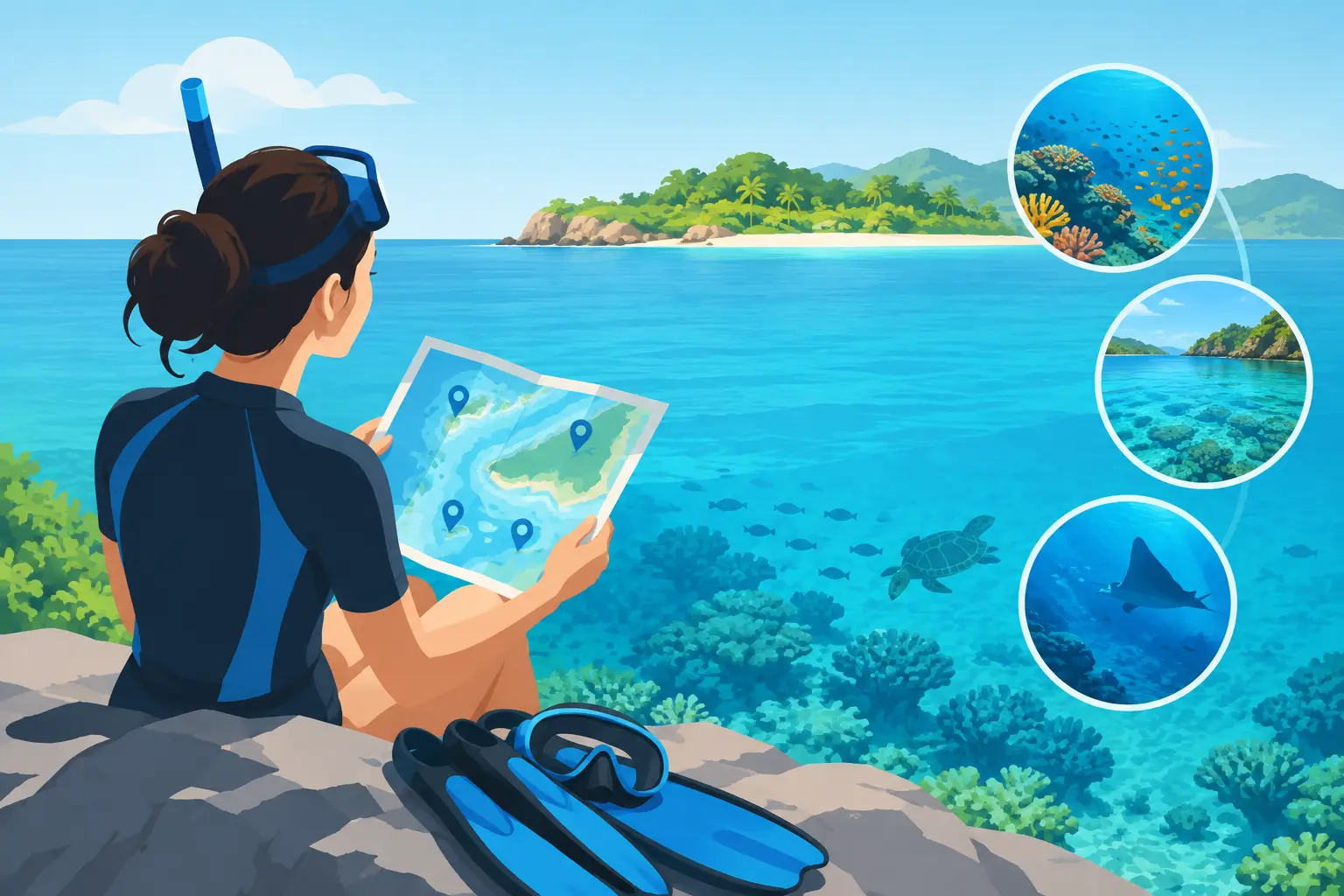
Learn how to choose snorkeling spots for clear water, healthy reefs, easy conditions, and memorable Belize marine life with a trusted local guide nearby.
A great snorkeling day is rarely about finding the most famous pin on a map. It is about slipping into clear, calm water where the reef is alive, the depth feels comfortable, and you have enough time to notice the small wonders: a parrotfish grazing on coral, a southern stingray lifting from the sand, a turtle moving quietly beyond the seagrass. Knowing how to choose snorkeling spots turns a boat ride into one of those Belize memories you keep talking about long after the vacation ends.
That bright turquoise water can look perfect from shore and still be a poor choice for snorkeling on a particular day. Wind, tide, recent rain, and swell can change visibility and comfort quickly. A site that is beautiful in calm weather may become choppy, cloudy, or tiring when the wind picks up.
For first-time snorkelers, families with children, or anyone who prefers a relaxed swim, protected water matters more than distance or drama. Look for sites on the sheltered side of an island, reef, or cay, where waves are reduced and getting back onto the boat is straightforward. Gentle current is often welcome because it can carry you over a wider stretch of reef, but a strong current can make even experienced swimmers work harder than they expected.
In Belize, the barrier reef creates many different conditions within the same region. A knowledgeable local captain can adjust the plan based on the day rather than forcing every group to visit one preset location. That flexibility is one of the real advantages of a private or small-group excursion.
The best depth depends on what you want to see and how confident you are in the water. Shallow reef, often around 5 to 15 feet deep, is usually the easiest place to start. Sunlight reaches the coral well, colors appear brighter, and you can pause, float, and regain your bearings without feeling far above the seafloor.
Shallow water is not automatically better, though. Very shallow reefs can be affected by waves, and guests must be especially careful not to touch coral or stand on it. A sandy channel beside a reef can be ideal for beginners because it offers a comfortable place to practice mask clearing and breathing before moving over coral.
Slightly deeper sites can offer dramatic coral formations, larger schools of fish, and a more open feeling. They are often better suited to confident swimmers who are comfortable floating without needing to put their feet down. If you are traveling with a mixed group, choose an area with both shallow and deeper sections. That way, everyone can enjoy the same stop at their own pace.
Visibility is exciting, but clear water alone does not make a memorable snorkel site. The real magic comes from a healthy, varied habitat. A strong spot may include coral heads, sea fans, sponges, sandy patches, seagrass, and little ledges where fish can hide. Variety creates more chances to see different marine life.
Watch for signs of life rather than expecting every reef to look like a perfectly arranged aquarium. Healthy reefs can have algae, sand, and natural changes in coral color. What you want is activity: schools of grunts or snapper, colorful wrasse, grazing parrotfish, curious sergeant majors, and corals that provide structure and shelter.
Different habitats bring different surprises. Coral gardens are wonderful for color and small reef fish. Seagrass beds may reward patient snorkelers with rays, conch, juvenile fish, or the occasional turtle. Sandy-bottom areas can reveal stingrays, flounder, or garden eels. A good guide knows where to slow down and what to look for, because many of the best sightings are easy to miss at first glance.
Wildlife cannot be ordered up on schedule, and responsible operators should never promise a particular animal. Dolphins, turtles, eagle rays, nurse sharks, and manatees can make a day feel extraordinary, but their movements are their own.
Choose a spot for its overall reef quality and the experience it offers, then treat special sightings as a gift. This approach keeps the day fun and protects the marine environment from the pressure of chasing wildlife. The goal is to observe, not interrupt.
The best snorkeling location for a confident couple may not be the best choice for a family with younger children or a group with different swimming abilities. Before choosing, be honest about comfort levels. Can everyone swim calmly in open water? Has anyone used a snorkel mask before? Does someone get seasick? Are there guests who need extra help getting in and out of the boat?
A thoughtful trip plan makes room for those answers. Beginners often benefit from a patient guide, flotation support, a clear explanation before entering the water, and a site where they can ease in gradually. Strong swimmers may want longer drifts, deeper coral walls, or multiple locations with different terrain.
Do not let the most adventurous person in the group determine the entire day. A great charter finds the balance. When everyone feels safe, they spend less time worrying and more time looking down at the reef.
A faraway reef is not always the right reef. Longer runs can be worthwhile for outstanding conditions or a special destination, but they also mean more time in the sun and more exposure to wind. For some travelers, a shorter ride with two excellent snorkeling stops and time to relax on a quiet island is the better day.
Think about what you want around the snorkeling itself. Perhaps you want to pair the reef with beach time, island hopping, reef fishing, or a freshly prepared beach barbecue. Maybe your perfect outing is simply an unhurried morning on the water before returning to shore for lunch. The right spot should fit the pace of your vacation, not turn it into a race from one activity to the next.
If seasickness is a concern, say so before departure. Your captain may be able to suggest a more protected route, a shorter crossing, or a time of day when conditions are typically calmer. Small details like this are why local advice is more useful than a generic online ranking.
The best snorkeling experience is not just about where the boat goes. It is also about how the trip is run. Ask whether the guide enters the water with guests, how the group is matched to conditions, and what safety equipment is available. You should also ask whether the operator provides properly fitting masks, snorkels, fins, and flotation devices, especially if children are joining.
A professional crew should explain how to use the gear, point out entry and exit procedures, and set clear reef-friendly rules. They should know when to change plans because of weather, visibility, or current. Safe, reliable, and professional does not mean the day feels stiff. It means you can relax enough to enjoy it.
Local knowledge also adds depth to the experience. A guide who grew up around these waters can identify fish, explain why a reef changes from one section to another, and steer you toward the places that are showing their best side that day. At Sea Ready Adventures, that local perspective is part of making guests feel less like visitors and more like welcomed friends on the water.
Choosing a snorkeling spot also means choosing how you will behave once you arrive. Coral is living and fragile, even when it looks like rock. Keep your fins clear of the reef, never stand on coral, and give turtles, rays, sharks, and every other animal room to move naturally.
Use reef-conscious sun protection when possible, and cover up with a rash guard or swim shirt to reduce how much product enters the water. Secure anything that could blow away from the boat, including snack wrappers and plastic bottles. If you spot a beautiful shell, let it stay where it belongs. The small things help keep Belize’s reef vibrant for the next family, the next guide, and the next morning on the water.
When you choose calm conditions, a living reef, the right depth, and a crew that knows the area well, snorkeling becomes less about checking off a famous site and more about being fully present. Take a slow breath through your snorkel, let the surface settle above you, and give the reef time to show you what it has been doing all along.