Address
Hopkins Village
Work Hours
Monday to Friday: 7AM - 7PM
Weekend: 10AM - 5PM
Address
Hopkins Village
Work Hours
Monday to Friday: 7AM - 7PM
Weekend: 10AM - 5PM


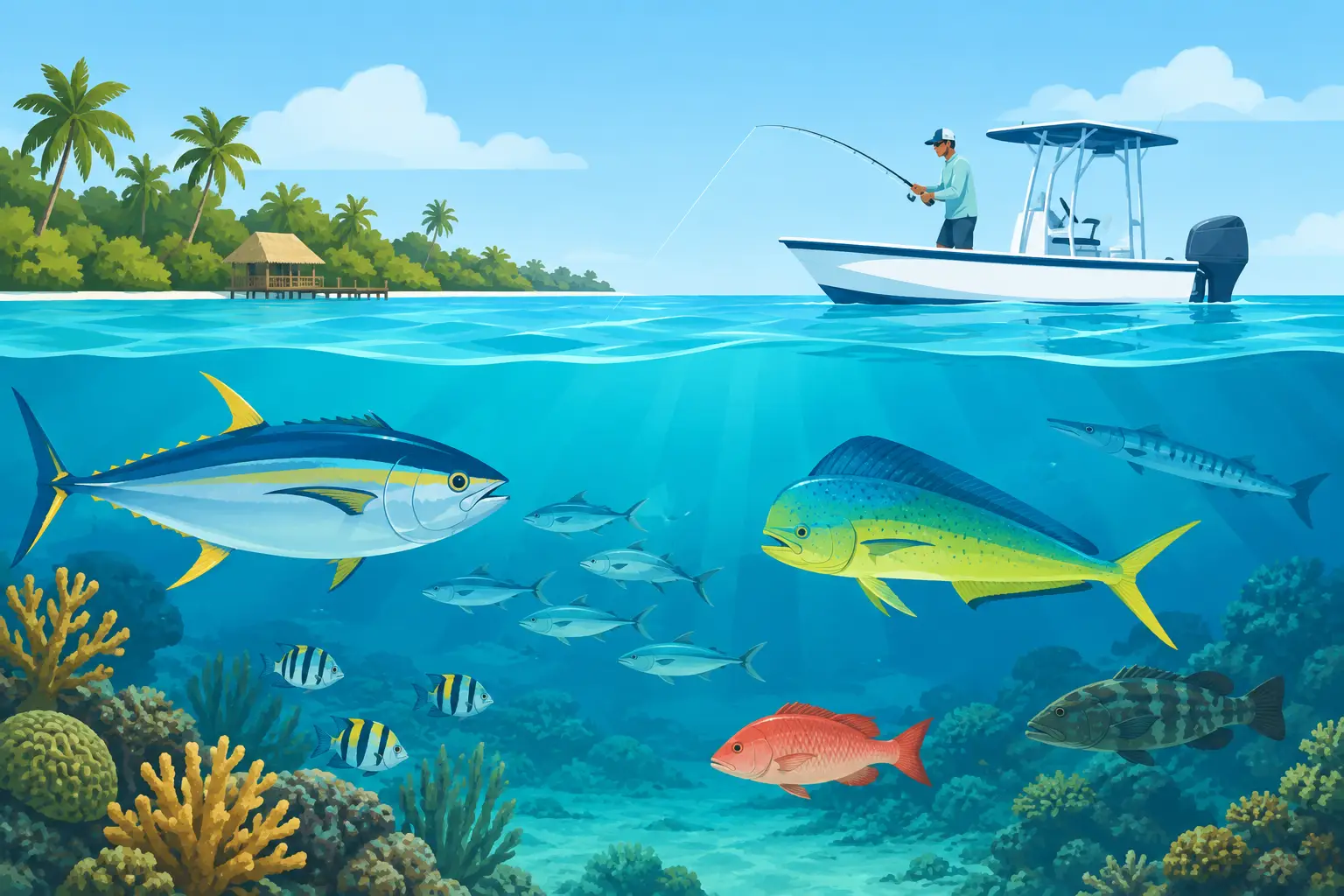
Wondering what fish you can catch in Belize? See reef, flats, and offshore favorites, when they bite, and how to plan a safe local day on the water now.
The first hard run of a bonefish across a shallow flat is enough to make anyone smile. A snapper pulled from bright reef water, or a mahi-mahi flashing electric blue offshore, makes the story even better. So, what fish can you catch in Belize? Plenty – but the best answer depends on whether your perfect day means quiet fly fishing, action around the reef, or heading beyond the barrier reef for big-water excitement.
Belize has a rare mix of fishing grounds close together: mangroves, sandy flats, patch reefs, the Belize Barrier Reef, and deep blue water beyond it. From Hopkins, an experienced local guide can help match the day to your group, the weather, and what is biting. That matters. Fishing is always more rewarding when you are in the right place at the right tide, with a guide who knows these waters personally.
For many anglers, the headline species are bonefish, permit, and tarpon. Belize is known around the world for this flats-fishing trio, and each one asks for a different kind of patience.
Bonefish are fast, wary, and built for shallow water. You may spot them moving in small groups over pale sand or see their tails break the surface as they feed. They are usually caught on fly or light tackle, then released. A bonefish is not the biggest fish in Belize, but its first run can feel like someone has tied your line to a rocket.
They are a great target for first-time fly anglers because shots can happen in calm, shallow water. Still, presentation matters. A quiet approach, a good cast, and a guide’s quick directions can turn a sighting into the catch of the day.
Permit are the fish that keep experienced anglers coming back. They are powerful, selective, and famous for refusing a fly that looked perfect five minutes earlier. Seeing a permit glide over a flat is thrilling. Getting one to take is another level.
Permit fishing rewards patience, especially when wind or changing tides make spotting fish difficult. Even on a day without a hookup, the experience of poling across clear Belizean flats and hunting for a single dark shape can be unforgettable.
Tarpon are powerful silver fish found around mangroves, channels, and coastal lagoons. Depending on the season and area, they range from smaller juvenile tarpon to much larger fish capable of explosive jumps. They are generally catch-and-release targets, and for good reason: a tarpon launch out of the water is one of the great moments in sport fishing.
Snook also use mangrove edges and brackish channels. They are aggressive ambush feeders and can be exciting on light tackle. Local conditions make a major difference with both species, so a guide will often plan around tides and water clarity rather than simply chasing one fish all day.
The reef brings a different kind of fun. It is active, colorful, and ideal for families, couples, and small groups who want plenty of action without spending the whole day waiting for one trophy fish.
Snapper is often the favorite for a reef-fishing meal. Species such as mutton snapper, lane snapper, and yellowtail snapper can be delicious when they are legal to keep and harvested responsibly. A catch-and-cook beach barbecue turns a successful morning into something more memorable: fish prepared fresh, a cold drink in hand, and a private beach instead of a restaurant wall.
Grouper may also be found around reef structure, along with jacks, barracuda, and occasional triggerfish. Jacks are especially fun for guests who enjoy a strong, fast fight. Barracuda strike with real speed and are usually better appreciated as a sport catch than a dinner plan.
Reef fishing is not simply about dropping a bait and pulling up whatever bites. Belize has marine reserves, no-take zones, size limits, seasonal closures, and protected species that must be respected. A responsible local operator knows where fishing is allowed and which catch is appropriate to keep. That local knowledge protects the reef and gives your group a much better day on the water.
When weather allows, heading outside the reef opens the door to larger pelagic fish. Mahi-mahi, also called dorado, are a favorite because they fight hard, look spectacular in the water, and are excellent on the grill. They often travel near floating debris, weed lines, or areas where currents meet.
Wahoo are another prized offshore catch. Long, quick, and remarkably fast, they are known for sudden strikes and blistering runs. Tuna and king mackerel can also show up, while sailfish and other billfish may be encountered farther offshore. Billfish are best treated as catch-and-release species, with careful handling that keeps the fish in the water whenever possible.
Offshore fishing is more weather-dependent than a sheltered reef or flats trip. If the sea is choppy, a good guide may recommend reef fishing, snorkeling, or a different route that is more comfortable for your group. Flexibility is part of a safe, reliable, and professional experience. The goal is not to force a plan. It is to create a great day with the conditions Belize gives us.
There is no single month when every fish is at its peak. Belize fishing can be productive year-round, but species, weather, water conditions, and tides all shift through the year.
Bonefish can be found throughout the year, while permit opportunities often improve with the right seasonal conditions and tides. Tarpon fishing can be especially exciting at certain times, though location matters as much as the calendar. Offshore catches such as mahi-mahi, wahoo, and tuna can vary with currents, bait movement, and sea conditions.
For travelers, the practical answer is simple: book the type of experience you want, then let local knowledge shape the plan. If you are set on fly fishing for permit, tell your guide. If your dream is fresh snapper for lunch, say so. If your group includes first-timers, children, or anyone prone to seasickness, a calmer reef-based day may be the smarter choice.
A Belize fishing day can be both exciting and responsible. Some fish are excellent table fare when they meet legal requirements. Others are better released because of conservation rules, their role in the fishery, or simply because they are valued sport species.
Your guide should handle the details: fishing licenses where required, permitted fishing areas, gear, current regulations, and safe fish handling. Rules can change, particularly around seasons and marine protected areas, so it is always wise to follow the guidance given on the day of your trip rather than relying on an old fishing report.
If you hope to take fish for a beach barbecue, be clear about that before leaving the dock. A good crew can focus on legal, sustainable species and prepare the catch with Belizean flavor. If the bite is slow or conditions point elsewhere, the day can still be full of reef views, snorkeling, island time, and the kind of stories that last much longer than a fillet.
The best Belize fishing trip is personal. A couple may want a quiet flats morning followed by a beach lunch. A family may prefer reef fishing with snorkeling breaks, where everyone has something to enjoy. Serious anglers may want an early start, a focused target species, and the patience to work a flat or troll offshore for hours.
Sea Ready Adventures is family-owned, locally guided, and ready to help visitors build that kind of day from Hopkins. Bring sun protection, a hat, sunglasses, and a sense of adventure. Leave room in the plan for the surprise bite, the dolphin sighting, or the fresh-cooked catch that turns an ordinary vacation day into a Belize memory.
Choose the water that calls to you, listen to your guide, and let the conditions lead the way. The fish may be the reason you head out, but the reef, the islands, and the people you share the boat with are often what you remember most.