Address
Hopkins Village
Work Hours
Monday to Friday: 7AM - 7PM
Weekend: 10AM - 5PM
Address
Hopkins Village
Work Hours
Monday to Friday: 7AM - 7PM
Weekend: 10AM - 5PM


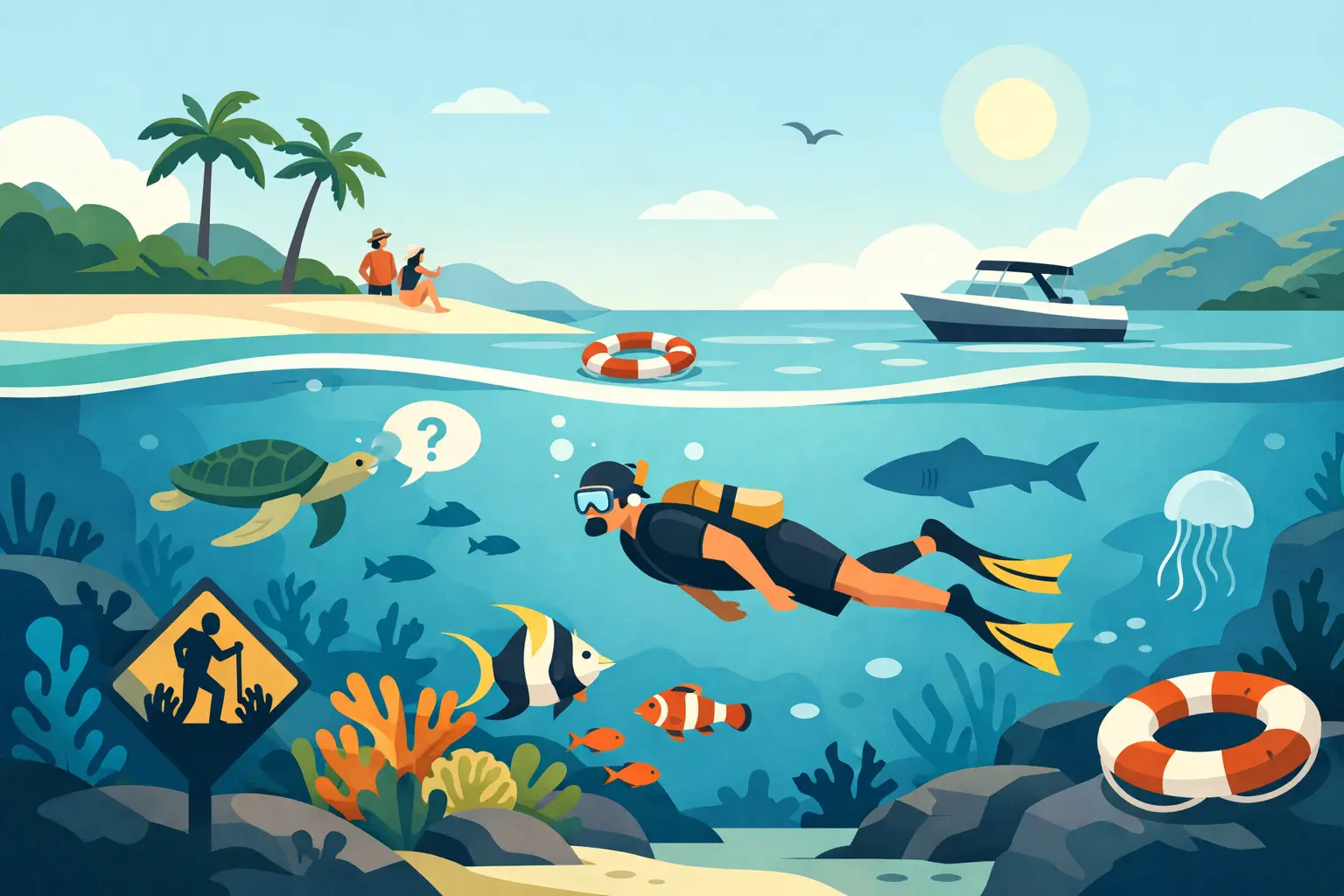
Is Belize snorkeling safe for visitors? Learn real risks, smart precautions, and how guided reef trips make Belize snorkeling safe and fun.
You are floating over clear Caribbean water, the reef drops away beneath you, and a school of blue tang slips past like a moving ribbon of color. It is the kind of moment people picture when planning Belize. Naturally, one of the first questions is simple: is Belize snorkeling safe? For most visitors, the answer is yes, especially when you go with experienced local guides, respect the sea, and choose conditions that match your comfort level.
Belize is one of the best snorkeling destinations in the Caribbean because the reef is close, the marine life is abundant, and many sites are accessible by boat in a short time. But great snorkeling and safe snorkeling are not exactly the same thing. Safety comes down to weather, water conditions, equipment, guide quality, and your own decisions once you are in the water.
In practical terms, Belize snorkeling is very safe for most healthy travelers who use common sense and book with a professional operator. Families with kids, first-time snorkelers, couples, and older travelers enjoy reef trips here every day without trouble. Calm mornings, protected reef areas, and guided support all make a real difference.
That said, Belize is still an open-water environment. Currents can shift. Wind can pick up. Some sites are wonderfully calm, while others are better for stronger swimmers. The safest experience is not about pretending the ocean has no risks. It is about working with guides who know the reef, watch conditions closely, and adjust the plan when needed.
A good operator will never treat safety like an afterthought. They will talk through the day, provide the right gear, explain how to enter and exit the water, and keep an eye on each guest instead of rushing a crowd from one stop to the next. That personal attention matters even more if you are snorkeling for the first time.
The biggest factor is conditions on the day of your trip. Belize can offer glassy, easy water one morning and choppier seas the next. Visibility, wind, tide, and current all affect how comfortable the experience feels. If you are nervous in the water, even a mild chop can make snorkeling feel harder than expected.
Your guide matters just as much. Local captains and snorkel guides know which areas are sheltered, which sites are running strong, and when to change course. That is one reason private and small-group tours often feel more comfortable than large cattle-call excursions. You are not trying to keep up with 30 strangers. The pace can fit your group.
Equipment is another overlooked piece of the puzzle. A leaky mask, fins that do not fit, or a snorkel you are not used to can turn a fun swim into a frustrating one. Safe operators take time to get gear fitted properly and explain how to use it. If something feels off, say so early. Small problems are easy to fix before you get in the water.
Then there is your own comfort level. Some visitors are strong swimmers but new to snorkeling. Others are comfortable floating but get anxious when they put their face in the water. Both are normal. A safe trip is one that respects where you are starting from instead of assuming everyone is equally confident.
Most snorkeling risks in Belize are manageable, but they are worth understanding. Sun exposure is one of the most common issues. It is easy to underestimate how quickly you can burn on the water, especially with sun reflecting off the surface. A rash guard, reef-safe sunscreen, and plenty of water go a long way.
Seasickness is another common spoiler. Even people who are fine on land can feel it on a boat ride out to the reef. If you know you are sensitive, take precautions before departure rather than waiting until you feel bad.
Currents and fatigue can also catch people off guard. Snorkeling looks effortless from the boat, but staying relaxed in moving water takes energy. If you are tired, cold, or uneasy, let your guide know right away. Pushing through is never the smart move.
Marine life is usually more beautiful than dangerous, but it still deserves respect. Coral can cut you. Sea urchins can sting. Jellyfish may appear in some seasons or conditions. Nurse sharks and rays are common at certain sites and are usually calm around people, but wildlife should never be chased, grabbed, or cornered. The rule is simple: look, enjoy, and give everything space.
Boat traffic can be a factor near some popular areas, which is why guided snorkeling is the safer option. Good guides position the boat carefully, use proper safety practices, and keep the group together.
Yes, often very much so, provided you choose the right trip. Belize is a great place for beginners because many reef areas are shallow, colorful, and full of life without requiring deep-water skill. The best first experience is usually a guided stop with calm conditions and close supervision.
If you are brand new, be honest when you book. Tell the operator whether you can swim, whether you have used a mask before, and whether anyone in your group is nervous. That allows the guide to recommend a site and pace that fits you.
Beginners usually do best when they start slowly. Sit on the edge of the boat, get comfortable with your mask, breathe through the snorkel while holding on if needed, and take a minute before swimming away. There is no prize for jumping in first. The goal is to relax enough to enjoy what is below you.
This is where personalized service really changes the day. On a smaller, more attentive trip, your guide can help with mask adjustments, encourage nervous swimmers, and keep the experience fun instead of stressful. That kind of support turns hesitation into confidence very quickly.
The smartest move is choosing a safe, reliable, and professional operator with experienced local guides. That decision shapes everything that follows. Ask whether gear is included, whether the tour suits beginners, how the crew handles changing weather, and how much personal attention guests receive.
From there, a few simple choices make a big difference. Listen carefully during the safety briefing. Wear the gear that is offered, including flotation if you want it. Do not touch coral or marine life. Stay close enough to your guide that you can hear instructions and get help quickly if needed.
It also helps to treat the day like an active outing, not just a photo opportunity. Eat lightly, hydrate early, and do not overdo alcohol beforehand. If you have asthma, heart concerns, mobility issues, or any condition that could affect you in the water, mention it before the trip starts.
Parents should know that Belize can be excellent for family snorkeling, but children do best when the trip is planned around them rather than expecting them to adapt to an adult pace. Shorter runs, calmer sites, and patient guides make all the difference.
Sometimes the safest choice is not going out that day or changing the plan. Strong wind, rough seas, storms, poor visibility, or guests who are feeling unwell can all be reasons to adjust. A trustworthy operator will tell you that honestly.
That might feel disappointing in the moment, but it is actually a good sign. The best reef days are the ones where you can relax, float comfortably, and enjoy the marine life without fighting the water. A guide who knows when to shift to a more protected area or reschedule is protecting your experience as much as your safety.
In places like Hopkins, local knowledge really matters because conditions can vary by season, reef location, and even time of day. Guides who are out there regularly are reading the water in real time, not guessing from a forecast.
Yes, for most travelers, Belize snorkeling is safe and incredibly rewarding when you approach it the right way. The reef is stunning, the wildlife is unforgettable, and a well-run trip can feel easy even if you are not an expert swimmer. The trade-off is that ocean conditions are never one-size-fits-all, so the best experience comes from matching the day, the site, and the group to your comfort level.
If you want the kind of snorkeling day that feels exciting without feeling chaotic, choose guides who know these waters, keep groups personal, and treat you like more than a booking number. That is how a reef trip becomes more than something you checked off your Belize list. It becomes one of the stories you keep telling long after you are home.