Address
Hopkins Village
Work Hours
Monday to Friday: 7AM - 7PM
Weekend: 10AM - 5PM
Address
Hopkins Village
Work Hours
Monday to Friday: 7AM - 7PM
Weekend: 10AM - 5PM


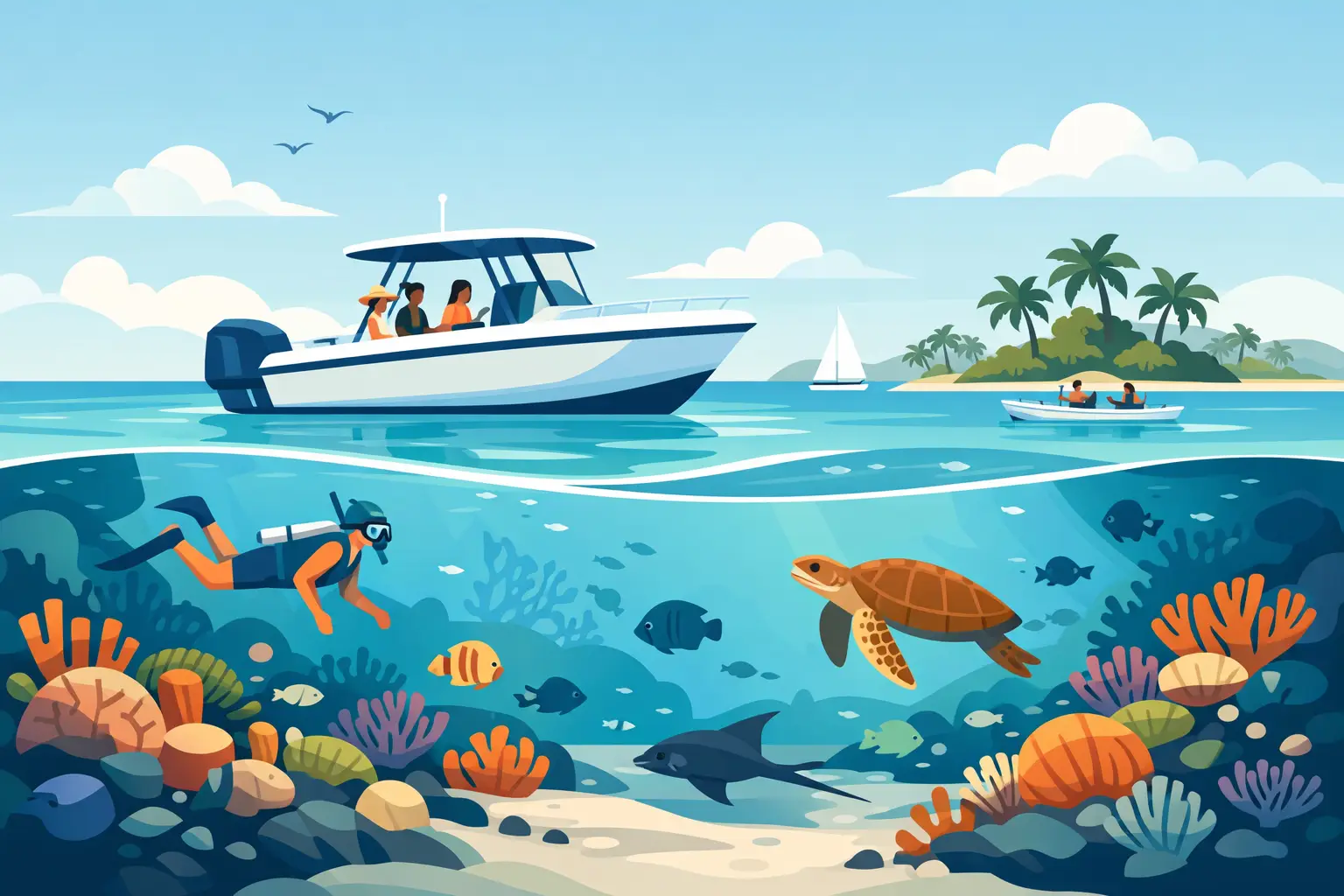
Learn how to plan a Belize reef day with smart timing, gear, weather tips, and tour choices for a smooth, memorable day on the water.
Some reef days feel easy from the first boat ride out. Others get rushed, overpacked, sunburned, and a little too ambitious. If you’re wondering how to plan a Belize reef day, the difference usually comes down to a few smart choices before you ever step onto the dock.
A great day on the Belize Barrier Reef is not about cramming in everything. It is about matching the day to your group, the weather, and the kind of memory you actually want to bring home. For some travelers, that means calm snorkeling over coral gardens and lunch on a quiet island. For others, it means mixing in fishing, spearfishing, or a fresh catch cooked on the beach. The best plan is the one that feels exciting without feeling rushed.
Start with one question: what kind of reef day do you want by mid-afternoon?
That sounds simple, but it changes everything. If your ideal day is floating over clear water, spotting parrotfish and rays, and taking your time, then a snorkeling-centered trip makes sense. If you want more action, you may prefer a mix of reef fishing, island hopping, and time in the water. Families with younger kids often do better with fewer stops and more relaxed pacing. Couples may want something more private and flexible. Friend groups usually enjoy a day that mixes adventure with a laid-back beach meal.
This is where many people overplan. They imagine snorkeling three sites, fishing, beach time, wildlife spotting, and a full seafood lunch all in one outing. It can be done on some days, but that does not always make it enjoyable. Travel time, sea conditions, energy levels, and attention spans all matter. A better reef day usually has one main focus and one or two extras.
If you are staying near Hopkins, this matters even more because you have access to operators who can tailor the day instead of pushing everyone through the same schedule. A private or small-group format gives you more room to adapt if the water is choppy, someone in your group wants more snorkeling time, or the beach stop turns into the highlight of the day.
Belize rewards good timing, but it also rewards flexibility. Dry season generally brings more predictable conditions and easier boating days, which is why many travelers prefer reef trips during that time. Water visibility can be excellent, and the ride out often feels smoother. That said, shoulder months can still be beautiful, and fewer crowds can make the whole experience feel more personal.
What matters most is not chasing a perfect calendar date. It is choosing a captain or guide who reads conditions well and plans around them. Wind direction, recent rain, tide movement, and offshore chop all affect what your day feels like. A morning that looks sunny from shore can still bring rougher water outside the reef.
That is why the best reef plans leave a little room to adjust. Maybe a guide switches the order of stops for better visibility. Maybe a fishing-first plan becomes a snorkel-first plan because the water is calmer earlier. That is not a downgrade. That is good local decision-making.
If you are prone to seasickness, do not ignore that part of planning. Take medication early if you use it, eat lightly before departure, and tell your guide ahead of time. A reef day is a lot more fun when you are watching the water instead of trying to recover from the ride.
Not all reef trips are built the same, even when they sound similar online. Some are large-group outings with fixed stops and fixed timing. Others are more personal, with a guide who can shape the day around your pace and interests.
If your priority is convenience, comfort, and local insight, a private or small-group trip usually gives you the best value even if the price is higher. You spend less time waiting on other people, more time doing what you actually came to do, and you can ask questions without feeling like one more face in the crowd. That is especially helpful if you are traveling with kids, celebrating something special, or combining activities like snorkeling and catch-and-cook.
When you book, ask practical questions. How long is the boat ride? What gear is included? Is lunch or fresh fruit provided? Are there shaded areas on the boat? Can the day be customized if your group wants a mix of activities? A good operator will answer clearly and make the logistics feel easy.
This is also the stage where responsiveness matters. If someone is easy to reach, clear about timing, and helpful before the trip, that is usually a good sign for the day itself. Sea Ready Adventures, for example, builds a lot of trust with travelers by keeping that planning process direct and personal, which makes a difference when you are coordinating a premium day on the water.
The most useful packing strategy for a reef day is simple: bring what protects your comfort, and skip what turns into clutter.
Wear your swimsuit under light, quick-drying clothes. Bring a towel, reef-safe sun protection, sunglasses with a strap if you have one, and a hat that will not fly away on the ride. A rash guard is a smart choice if you snorkel for long stretches or burn easily. If you need prescription medication, keep it in a dry bag and do not bury it at the bottom of a backpack.
Waterproof phone protection helps if you want photos, but do not spend the entire day filming. The reef is better when you actually look at it. If you have your own mask and it fits you well, bringing it can be worth it. If not, quality tour gear is usually fine.
Leave valuables, bulky bags, and anything delicate at your hotel unless you truly need it. People often overpack for a half-day or full-day reef trip, then spend half the time managing stuff instead of enjoying the water.
One of the best answers to how to plan a Belize reef day is this: do less, better.
Give yourself time at each stop. When the boat first cuts the engine and you slip into the water, it takes a minute to settle in. The fish come into focus. The coral shapes start to stand out. Your breathing slows down. If you hop right back onto the boat because the schedule is too tight, you miss the part that makes the reef feel unforgettable.
The same goes for beach time. A private island stop or a catch-and-cook meal is not just filler between activities. For many guests, it becomes the moment they talk about most later – fresh seafood, bare feet in the sand, and that rare feeling that nobody is rushing you.
This is where trade-offs matter. If you want to add fishing or spearfishing, you may spend less time snorkeling. If you want a big beach lunch, you may choose fewer reef sites. That is normal. The strongest plan is not the one with the most boxes checked. It is the one with the best flow.
A reef day should feel adventurous, but it should also feel safe, reliable, and professional. That starts with experienced guides, good boat handling, quality gear, and clear instructions in the water. It also means being honest about your group.
If someone is not a strong swimmer, say so. If a child has never snorkeled before, mention it before you book. If one person wants action and another wants a quiet scenic day, choose an operator who can balance both. There is no single perfect reef itinerary for everyone.
Older travelers often appreciate easier boat entry, more shaded time, and a steadier pace. Families may need snack breaks and simple snorkel spots. Adventure-focused couples may want the freedom to chase a more active day. The better your guide understands the group, the better the reef day usually goes.
Eat breakfast, but keep it light. Hydrate before you leave, not just once you are already in the sun. Bring cash if you think you may want to tip your crew. Confirm your departure time the day before and ask what happens if weather shifts overnight.
Most of all, do not schedule your reef day too tightly against other plans. If you book a sunset dinner inland right after a full day on the water, the clock starts running in the back of your mind. Give yourself space. Reef days tend to feel best when they are the main event, not one task on a crowded vacation checklist.
The reef has its own rhythm, and the smartest travelers work with it. Choose the kind of day you will actually enjoy, trust local judgment on conditions, and leave room for the unexpected good moments – the eagle ray passing below, the perfect snorkeling drift, the beach lunch that lasts longer than planned. That is usually when a Belize reef day stops feeling like an excursion and starts feeling like the reason you came.