Address
Hopkins Village
Work Hours
Monday to Friday: 7AM - 7PM
Weekend: 10AM - 5PM
Address
Hopkins Village
Work Hours
Monday to Friday: 7AM - 7PM
Weekend: 10AM - 5PM


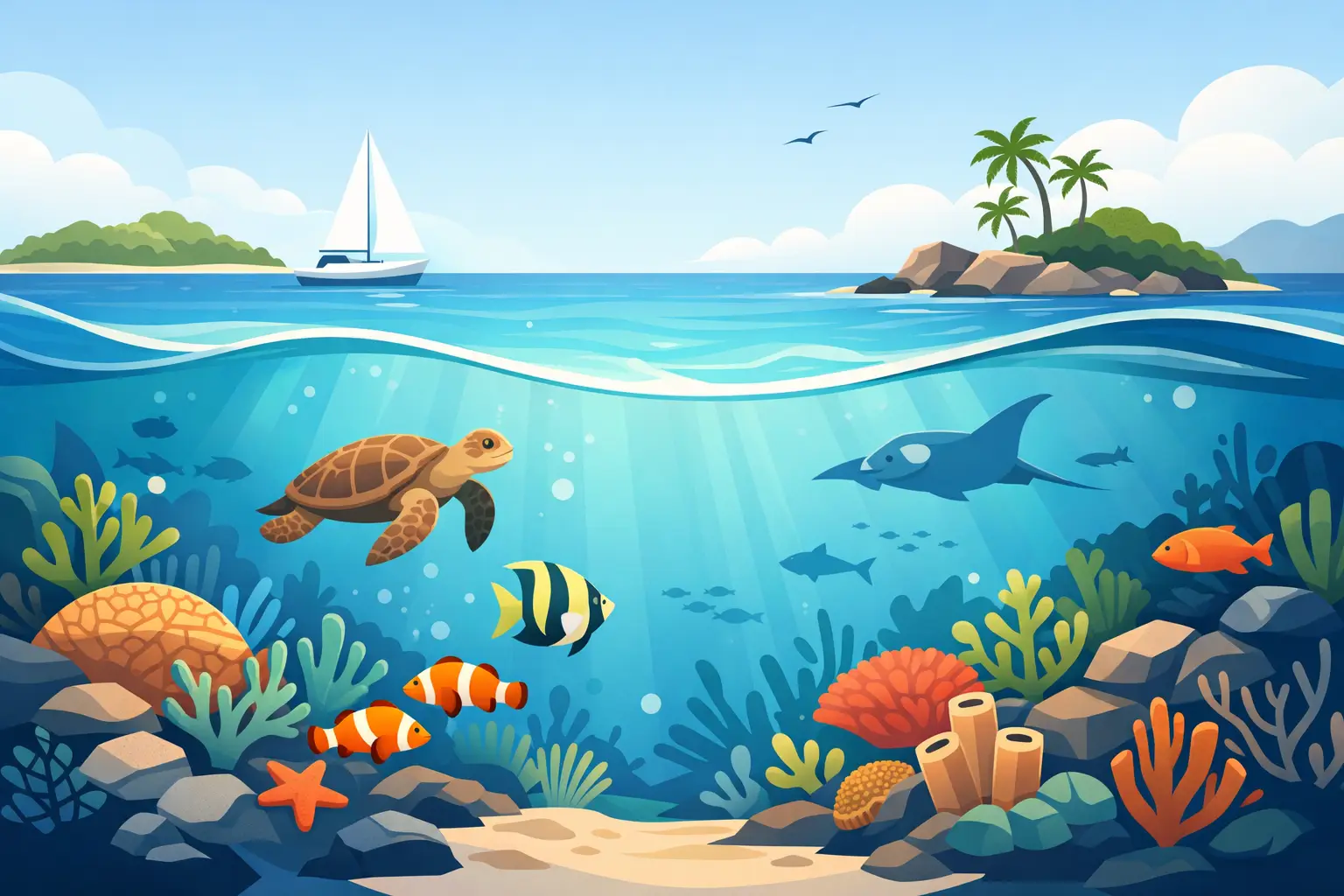
What is the Belize Barrier Reef? Learn where it is, why it matters, what lives there, and what makes this Belize marine wonder so unforgettable.
One look at that bright blue water off Belize and the question comes fast – what is the Belize Barrier Reef, really? Is it one reef, a snorkeling spot, a protected park, or the famous stretch of sea people talk about after they get home? The short answer is that it is a vast coral reef system running along the coast of Belize, filled with coral formations, seagrass beds, mangroves, channels, cayes, and extraordinary marine life. But that simple definition barely captures why it matters so much once you are actually out there.
The Belize Barrier Reef is the largest reef system in the Northern Hemisphere and the second largest barrier reef in the world after Australia’s Great Barrier Reef. It extends for roughly 190 miles along the Belize coast and forms part of the larger Mesoamerican Reef, which continues beyond Belize into Mexico, Guatemala, and Honduras. When people picture Belize as a world-class ocean destination, this reef is the reason.
It helps to think of the reef as a living marine landscape rather than a single wall of coral. The Belize Barrier Reef includes patch reefs, reef crests, spur-and-groove coral formations, sandy flats, mangrove islands, and calm lagoons that support life at every stage. Some areas are shallow and clear, ideal for beginner snorkelers. Others drop off dramatically, with stronger currents and deeper water that appeal to more experienced divers and anglers.
Coral itself is alive. What looks like colorful rock is actually made by tiny animals called coral polyps, which build hard skeletons over time. Across centuries, those structures grow into the reef formations that shelter fish, lobsters, rays, turtles, and countless smaller species. That is part of what makes the reef so special – it is not scenery in the background. It is an active, living system.
You will also hear people mention cayes, atolls, and marine reserves when talking about the reef. Those are all part of the wider reef environment. Belize is home to famous offshore atolls and island clusters, and many reef experiences happen around these spots rather than along one continuous visible line.
For travelers, the reef is beautiful. For Belize, it is far more than that. It supports fisheries, tourism, coastal protection, and marine biodiversity on a huge scale. Healthy reef systems help reduce wave energy during storms, giving the coastline a natural layer of defense. They also provide nursery habitat for many species that local communities and marine ecosystems depend on.
That balance matters. A reef can be both a bucket-list experience and a working part of everyday life in Belize. Local guides do not just know where the prettiest water is. They understand how weather, currents, seasons, and conservation rules shape what is happening out there on any given day.
This is one reason the reef feels different when you experience it with people who grew up around it. You are not just looking at coral heads and fish. You are seeing a place that feeds families, protects shorelines, and carries real cultural weight.
Plenty, and that is usually what surprises first-time visitors most. The water can look calm from the boat, then suddenly open up into a world full of movement and color. Depending on the area and conditions, you might see parrotfish, angelfish, snapper, grouper, barracuda, eagle rays, nurse sharks, sea turtles, and schools of smaller reef fish weaving through coral gardens.
In seagrass and sandy areas, southern stingrays and juvenile fish are common. Near mangroves, the reef’s nursery role becomes easier to understand. Around coral formations, you may spot sea fans, sponges, brain coral, elk horn coral, and other reef-building species that create texture and shelter.
Not every outing delivers the same wildlife sightings, and that is part of the honest answer. Conditions change. Wind affects visibility. Tides shift animal movement. Some days are all about crystal-clear snorkeling and colorful reef fish. Other days might be better for fishing, island hopping, or combining a reef stop with a laid-back beach cookout. The reef always has something to offer, but the exact experience depends on season, weather, and location.
Scale is one answer, but not the only one. Belize offers unusual access to a wide range of marine environments in a relatively compact area. You can move from reef flats to deeper channels, from mangrove islands to sandy cayes, often within the same day on the water. That variety gives the reef a sense of constant change.
Another difference is how personal the experience can feel. In some destinations, reef tourism is crowded and rushed. In Belize, especially on smaller private or small-group outings, the day can feel much more relaxed and connected. You notice the water color changing over the flats. You hear stories from your guide. You stop at an island, eat fresh seafood, and realize the reef is not just something you photograph – it becomes the center of the whole day.
The Belize Barrier Reef is also globally recognized for iconic sites like the Great Blue Hole, Lighthouse Reef, and Hol Chan Marine Reserve. Those places get the headlines, and deservedly so, but they are only part of the story. Many unforgettable reef moments happen in lesser-known sections where the water is calm, the fish are active, and the experience feels like your own.
Absolutely. That is one of the best things about it.
A lot of visitors assume the reef is mainly for certified divers, but snorkeling is one of the easiest and most rewarding ways to experience it. Many reef areas are shallow enough to enjoy without scuba gear, and the visibility can be excellent in the right weather. Families, couples, and first-time ocean explorers often find snorkeling more relaxing and just as memorable.
The reef also connects naturally with other adventures. Some travelers want a half day of snorkeling and beach time. Others want to combine fishing with a stop on the reef. Some are most excited about spearfishing, conch hunting in season, or catching seafood and enjoying it fresh on a private beach. That flexibility is part of the appeal. The reef is not one activity. It is the setting for many different kinds of days on the water.
Like reef systems worldwide, it faces pressure from climate change, coral bleaching, stronger storms, pollution, and unsustainable fishing or development. Reef health is not static. Some areas remain vibrant, while others need ongoing protection and recovery.
That is why responsible tourism matters. Choosing operators who respect marine rules, avoid damaging coral, and understand local ecosystems makes a difference. So does how visitors behave in the water. Touching coral, standing on reef structures, chasing wildlife, or using harmful sunscreen can all have real impacts.
There is a hopeful side here too. Belize has made major conservation efforts, and many local communities, guides, and marine managers care deeply about protecting the reef for the future. The reef is still a place of beauty and abundance, but it deserves to be experienced with respect.
It usually starts with anticipation and ends with salt on your skin, sun on your shoulders, and a phone full of photos that somehow still do not quite capture it.
One moment you are skimming across turquoise water toward a patch of reef. The next, you are floating over coral heads while schools of fish move below you. Later, you might be on a quiet caye eating lunch with the sea all around you, or casting a line near reef edges where larger fish patrol. If you are lucky, dolphins show up on the ride back and everyone on the boat goes quiet for a second before the smiles kick in.
That is why the reef stays with people. It is not only the science, the scale, or the famous name. It is the feeling of being close to something alive, local, and unforgettable.
For travelers staying near Hopkins, getting out with experienced local guides can turn the reef from a map feature into a genuine memory. Sea Ready Adventures is built around exactly that kind of day – safe, reliable, and personal, with the warmth of a family-owned crew that wants you to feel welcomed from the moment you step on board.
If you remember one thing, let it be this: the Belize Barrier Reef is not just a place you visit. It is a living part of Belize, and the more you understand it, the more extraordinary your time on the water becomes.