Address
Hopkins Village
Work Hours
Monday to Friday: 7AM - 7PM
Weekend: 10AM - 5PM
Address
Hopkins Village
Work Hours
Monday to Friday: 7AM - 7PM
Weekend: 10AM - 5PM


The Belize Barrier Reef stands as one of the world’s most magnificent natural wonders, stretching 190 miles along the coast of Belize and offering some of the most spectacular marine experiences on the planet. As the second-largest coral reef system in the world, this underwater paradise attracts divers, snorkelers, and marine enthusiasts from around the globe. Whether you’re planning your first reef adventure or looking to deepen your understanding of this incredible ecosystem, this comprehensive guide covers everything you need to know about the Belize Barrier Reef.
The Belize Barrier Reef is a massive underwater structure composed of coral polyps and their limestone skeletons, creating a vibrant ecosystem that supports an extraordinary diversity of marine life. This living barrier runs parallel to Belize’s coastline, ranging from just a few hundred yards to over 20 miles offshore, depending on the location.
Formed over thousands of years, the reef system includes over 500 species of fish, 100 species of coral, and countless other marine organisms. The reef complex encompasses various formations including fringing reefs, barrier reefs, and three of the Western Hemisphere’s four coral atolls: Turneffe Atoll, Lighthouse Reef Atoll, and Glover’s Reef Atoll.
In 1996, UNESCO designated the Belize Barrier Reef Reserve System as a World Heritage Site, recognizing its outstanding universal value and importance to global marine biodiversity. This designation includes seven protected marine reserves covering approximately 370 square miles of reef and coastal areas.
The Belize Barrier Reef serves critical ecological, economic, and scientific functions that extend far beyond its borders.
Biodiversity Hotspot: The reef provides essential habitat for endangered species including sea turtles, manatees, and the American marine crocodile. It serves as a nursery for juvenile fish and a feeding ground for larger species, maintaining the delicate balance of Caribbean marine ecosystems.
Coastal Protection: The reef acts as a natural barrier, protecting Belize’s coastline from storm surges, erosion, and the full force of hurricanes. Without this protection, coastal communities and infrastructure would face significantly greater risks from tropical weather systems.
Economic Engine: The reef generates substantial revenue for Belize through tourism, fishing, and related industries. Approximately 190,000 tourists visit the reef annually, contributing over $150 million to the local economy and supporting thousands of jobs.
Scientific Value: Researchers study the Belize Barrier Reef to understand coral reef ecosystems, climate change impacts, and marine conservation strategies. The reef serves as a living laboratory providing insights applicable to coral reefs worldwide.
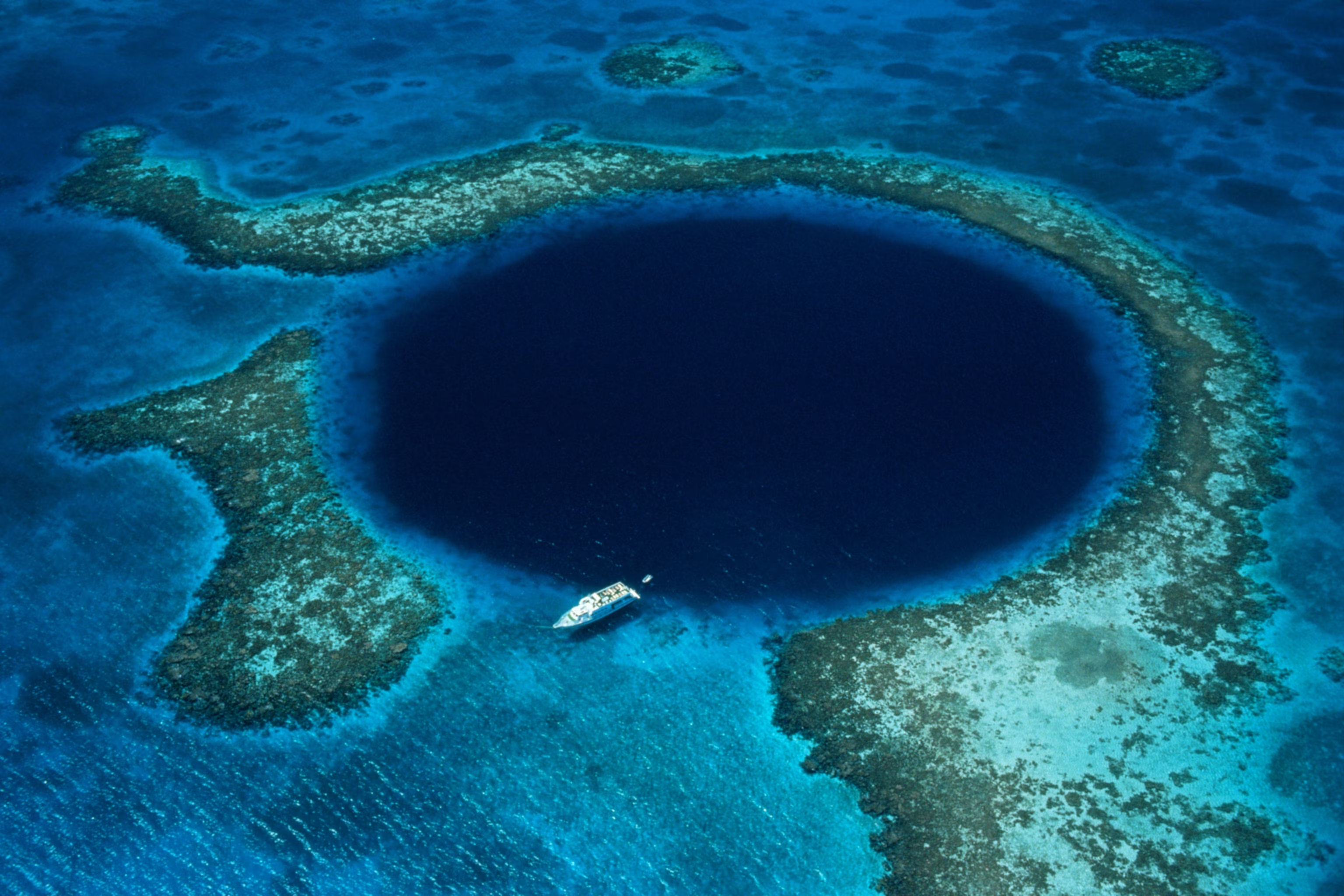
No discussion of the Belize Barrier Reef is complete without mentioning the Great Blue Hole, perhaps the most iconic feature of the entire reef system. This massive marine sinkhole sits at the center of Lighthouse Reef Atoll, approximately 43 miles from the mainland.
The Great Blue Hole measures over 1,000 feet across and plunges 400 feet deep, creating a striking circular formation of deep blue water surrounded by lighter shallow reef. Formed during the last ice age when sea levels were much lower, this collapsed limestone cave system now draws divers from around the world seeking to explore its mysterious depths.
Jacques Cousteau declared it one of the top diving sites in the world in 1971, and it remains a bucket-list destination for experienced divers. The hole’s underwater stalactites and unique geological formations provide glimpses into Earth’s ancient past, while sharks, groupers, and other large fish patrol its walls.
The biodiversity found within the Belize Barrier Reef is staggering. On any given snorkel or dive, you might encounter:
Fish Species: Parrotfish grazing on coral, schools of blue tang darting through the water, graceful queen angelfish, curious Nassau groupers, and silvery tarpon cruising the deeper waters.
Coral Varieties: Brain coral forming intricate patterns, delicate sea fans swaying in the current, vibrant staghorn coral creating underwater forests, and colorful fire coral (beautiful but best admired from a distance).
Sea Turtles: Green, hawksbill, and loggerhead sea turtles nest on Belize’s beaches and feed on the reef.
Rays and Sharks: Southern stingrays, spotted eagle rays, and nurse sharks are common, while lucky divers might spot bull sharks, hammerheads, or reef sharks.
Other Notable Species: Spiny lobsters hiding in crevices, moray eels peeking from holes, colorful sea slugs, octopuses, and West Indian manatees grazing in seagrass beds near the coast.
Hol Chan Marine Reserve: Located near Ambergris Caye, Hol Chan (Mayan for “little channel”) features a natural cut through the reef rich in marine life. The adjacent Shark Ray Alley offers close encounters with nurse sharks and stingrays.
South Water Caye Marine Reserve: Easily accessible from Hopkins Village, this area offers pristine reefs, seagrass beds, and mangrove forests with fewer crowds.
Glover’s Reef Atoll: A UNESCO World Heritage Site located 30 miles offshore with a stunning atoll formation and excellent visibility.
Silk Cayes: Tiny islands surrounded by turquoise water, ideal for snorkeling among tropical fish and vibrant coral.
Lighthouse Reef Atoll: Home to the Great Blue Hole and Half Moon Caye Natural Monument—perfect for diving and birdwatching.
Snorkeling offers easy access to shallow reef areas rich in biodiversity—perfect for families and beginners. Most tours cost $60–$100 per person and include equipment and lunch.
Scuba Diving opens the door to deeper sections, wall dives, and large pelagic species. Two-tank dives range from $125–$200, while specialty dives like the Great Blue Hole cost more.
Many visitors combine both experiences for the best of both worlds.
Peak Season (December–April): Sunny, calm, and clear—perfect conditions with water temps around 78–82°F.
Shoulder Season (May and November): Great weather, fewer crowds, and better prices.
Low Season (June–October): Rainier but quieter, with whale shark sightings and budget-friendly rates.
For the clearest water, visit March–June when visibility peaks.
The Belize Barrier Reef faces threats from climate change, pollution, and unsustainable tourism. Help protect it by following these practices:
Typical tours from Hopkins and other coastal areas include:
At Sea Ready Adventures & Tours, we’re passionate about sharing the incredible beauty of the Belize Barrier Reef while protecting it for future generations.
Operating from Hopkins Village, we offer personalized reef experiences tailored to your interests—whether you’re a first-time snorkeler or a seasoned diver.
Our guides know the best sites, maintain small groups, and use sustainable practices like mooring buoys to preserve the reef.
Ready to explore the second-largest barrier reef in the world?
Contact Sea Ready Adventures & Tours today to book your unforgettable Belize Barrier Reef experience.
The Belize Barrier Reef represents one of Earth’s most precious natural treasures—a living testament to the beauty and complexity of marine ecosystems.
By visiting responsibly and supporting conservation, we ensure future generations can marvel at this underwater paradise.
The reef is more than a destination; it’s a reminder of our connection to the ocean and our shared duty to protect it.
Come discover why the Belize Barrier Reef deserves its place among the world’s most spectacular natural wonders.
The experience will change how you see the ocean forever.